
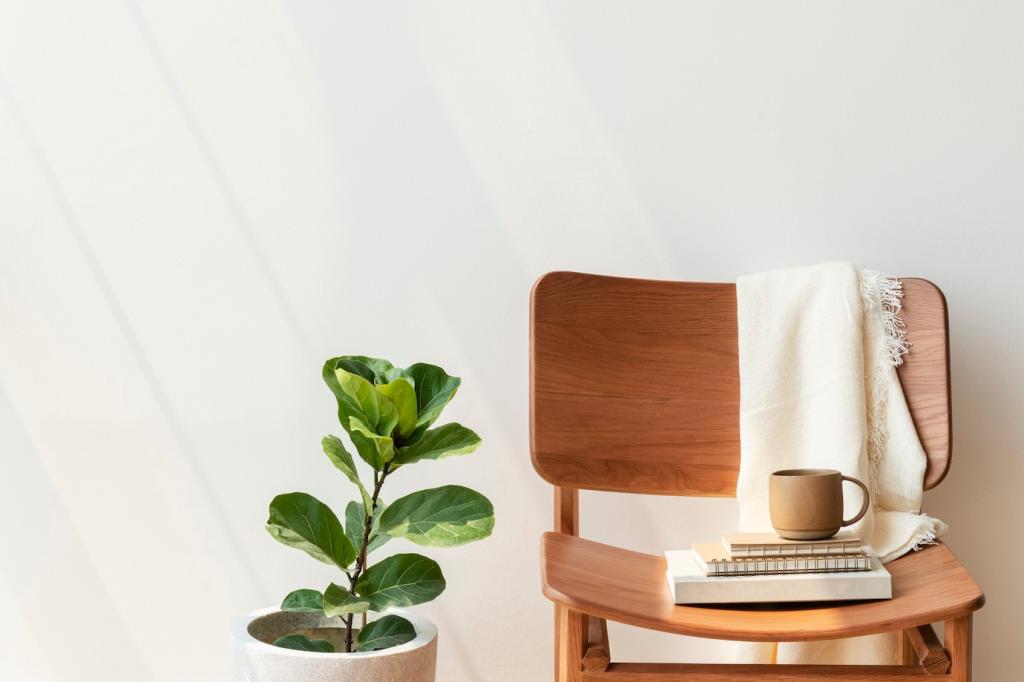
Minimalist Designs in Eco-Friendly Homes

Today’s theme: Minimalist Designs in Eco-Friendly Homes. Discover how calming simplicity and planet-first choices create homes that breathe, heal, and inspire daily life. Join our community—share your minimalist wins, ask questions, and subscribe for fresh, sustainable inspiration every week.

Foundations of Minimalist Eco Living

Minimalist eco homes focus on essentials that serve real needs, eliminating visual noise and environmental excess. They favor durable pieces, clean lines, and intentional negative space that allows light and function to breathe. The result is a home that feels open, restorative, and deeply personal.

Foundations of Minimalist Eco Living

Choose renewable, low-toxin materials like FSC-certified wood, bamboo, cork, recycled steel, and limewash finishes. Low-VOC paints, wool rugs, and natural latex foams support healthier indoor air. Fewer, higher-quality materials simplify maintenance and reduce embodied carbon over a home’s life.

Design Story: A 600-Square-Foot Sanctuary

We replaced bulky walls with sliding, translucent partitions and carved a single open zone for living, dining, and working. Built-in storage hugged the perimeter, leaving the center clear for movement. Every piece earned its place, creating an airy flow that felt instantly liberating.

Design Story: A 600-Square-Foot Sanctuary

Reclaimed oak shelves, linen curtains, and a recycled-glass backsplash brought warmth without visual clutter. A cork underlayment softened footsteps, while a wool rug defined the lounge. Natural finishes aged gracefully, encouraging repair over replacement and turning patina into a quietly joyful design feature.

Design Story: A 600-Square-Foot Sanctuary

After the redesign, energy use dropped by twenty-seven percent thanks to better daylighting, induction cooking, and draft sealing. Water consumption decreased with eco fixtures, and waste declined through careful purchasing. The space felt bigger, calmer, and meaningfully kinder to both wallet and planet.

Practical Room-by-Room Ideas

Choose a modular sofa with removable, repairable covers, add a single statement lamp, and anchor the space with a natural-fiber rug. Concealed storage swallows cords and remotes, while plants soften corners. Keep surfaces clear so afternoon light can sketch clean lines across the room.

Practical Room-by-Room Ideas

Embrace vertical storage, glass jars for bulk goods, and a small set of hardworking tools. Induction cooking improves indoor air, while a countertop compost bin closes the loop. Keep countertops clear; a single cutting board and knife set can handle most tasks beautifully and efficiently.

Sourcing and Budgeting Sustainably

Choose repairable products with replaceable parts and transparent supply chains. Look for solid wood, metal hardware, and finishes you can renew. One timeless table beats three disposable ones, saving resources and stress. Minimalist design shines brighter when your few pieces are built to endure.

Habits That Keep Minimalism Alive

One-In, One-Out Rule

Each time something new arrives, choose one item to donate, repair, or responsibly recycle. This gentle discipline prevents clutter’s slow creep and fosters mindful purchasing. Over time, you’ll notice your home remains spacious, your budget happier, and your eco impact genuinely lighter.

Seasonal Resets

Once per season, clear a table, empty one closet, and review each item for purpose and joy. Clean, repair, and donate thoughtfully. Track what you truly use. These quiet sessions protect your minimalist design and keep your eco intentions active, visible, and satisfying.

Community and Accountability

Join local swaps, tool libraries, and repair cafes to share resources and skills. Invite a friend to a declutter afternoon, then celebrate with tea in your refreshed space. Comment below with your city and interests to find peers who share eco-minimal goals.
Danfichter
Privacy Overview

This website uses cookies so that we can provide you with the best user experience possible. Cookie information is stored in your browser and performs functions such as recognising you when you return to our website and helping our team to understand which sections of the website you find most interesting and useful.